


 78 / 106

Product: PAINT STRIPPER
Page
5
of
7
ISSUE: 5 ISSUE DATE: 02/02/2016
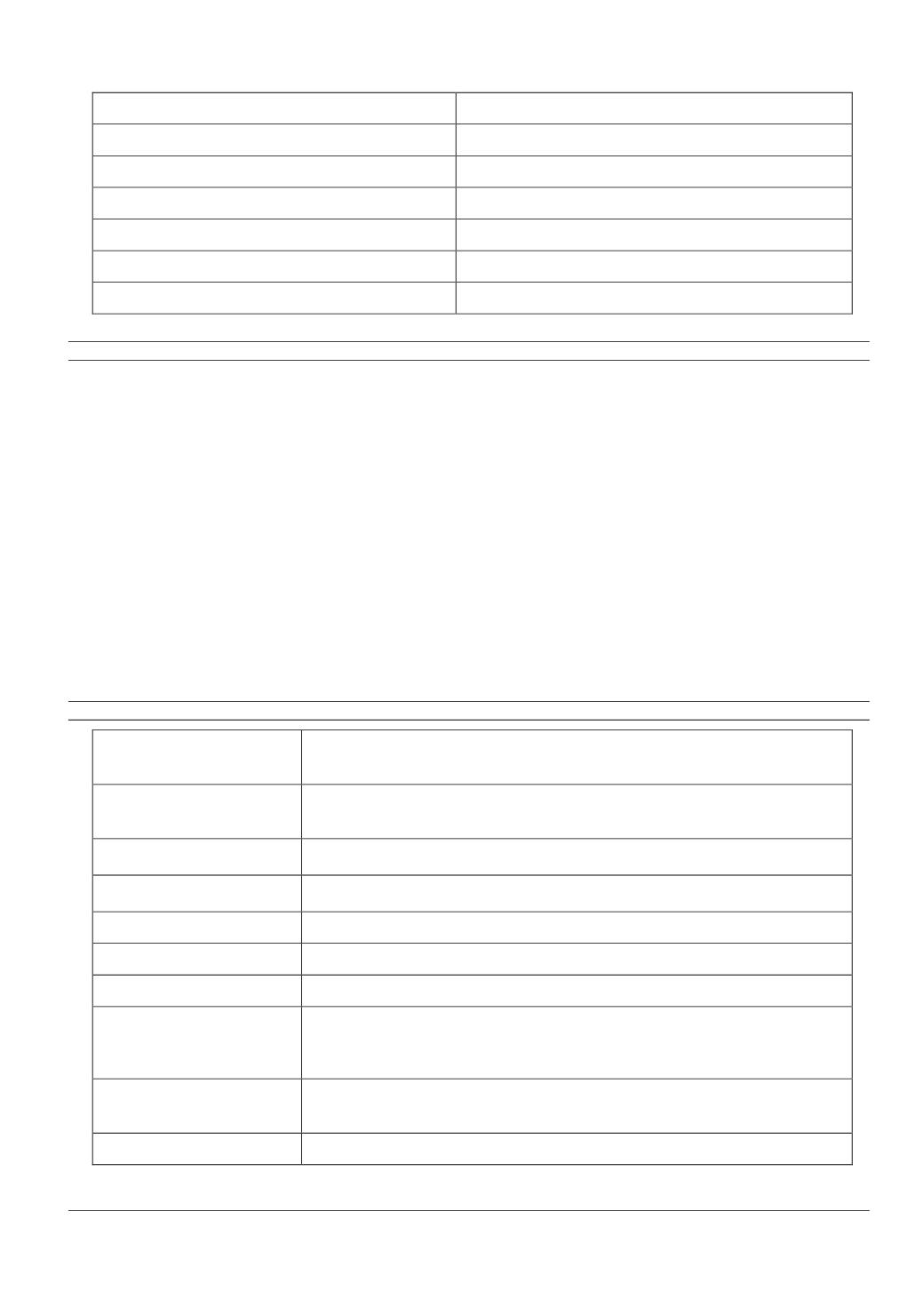
Vapour density (air = 1, @ 15°C):
Data not available
Density (g/ml):
1.14 – 1.18
Solubility (kg/m
3
):
Miscible
Partition coefficient: n-octanol/water:
Data not available
Auto-ignition temperature (°C):
Data not available
Decomposition temperature (°C):
Data not available
Kinematic viscosity (mm
2
/s @ 20°C):
Data not available
SECTION 10 STABILITY AND REACTIVITY
Reactivity
Stable under normal conditions of use.
Chemical stability
Stable under normal conditions of use.
Possibility of hazardous reactions
Stable under normal conditions of use.
Conditions to avoid
Insufficient ventilation.
Incompatible materials
Incompatible with amines, alkali metals, powdered metals, nitric acid. Avoid reaction with oxidising agents.
Hazardous decomposition products
Decomposes on heating emitting toxic fumes, including hydrogen chloride, phosgene and oxides of carbon.
SECTION 11 TOXICOLOGICAL INFORMATION
Acute toxicity:
Product expected to be of low toxicity.
Methylene Chloride: LD50 Oral (rat) = 1600mg/kg
Methanol: LD50 Oral (rat) > 2000mg/kg, LDLo Oral (human) = 143mg/kg
Skin corrosion/irritation:
Mild irritant. Prolonged contact may cause defatting of skin which can
lead to dermatitis. Can be absorbed through the skin with resultant toxic
effects
Serious eye
damage/irritation:
Mild eye irritant
Respiratory or skin
sensitisation:
Not expected to be a sensitiser
Germ cell mutagenicity:
Not expected to be a mutagen
Carcinogenicity:
Methylene Chloride is possibly carcinogenic to humans (IARC Group 2B)
Reproductive toxicity:
Not expected to impair fertility
Specific Target Organ
Toxicity (STOT) –
single exposure:
Inhalation of vapours and mists may produce toxic effects
and central
nervous system depression.
Ingestion of material may produce toxic effects and serious damage to
health.
Specific Target Organ
Toxicity (STOT) –
repeated exposure:
Available evidence from animal studies indicates repeated or prolonged
exposure could result in effects on liver and kidneys
Aspiration hazard:
Not considered an aspiration hazard