


 102 / 106

Product: WAX AND GREASE REMOVER
Page
3
of
7
ISSUE: 3 ISSUE DATE: 29/04/2015
SECTION 3
COMPOSITION AND INFORMATION ON INGREDIENTS
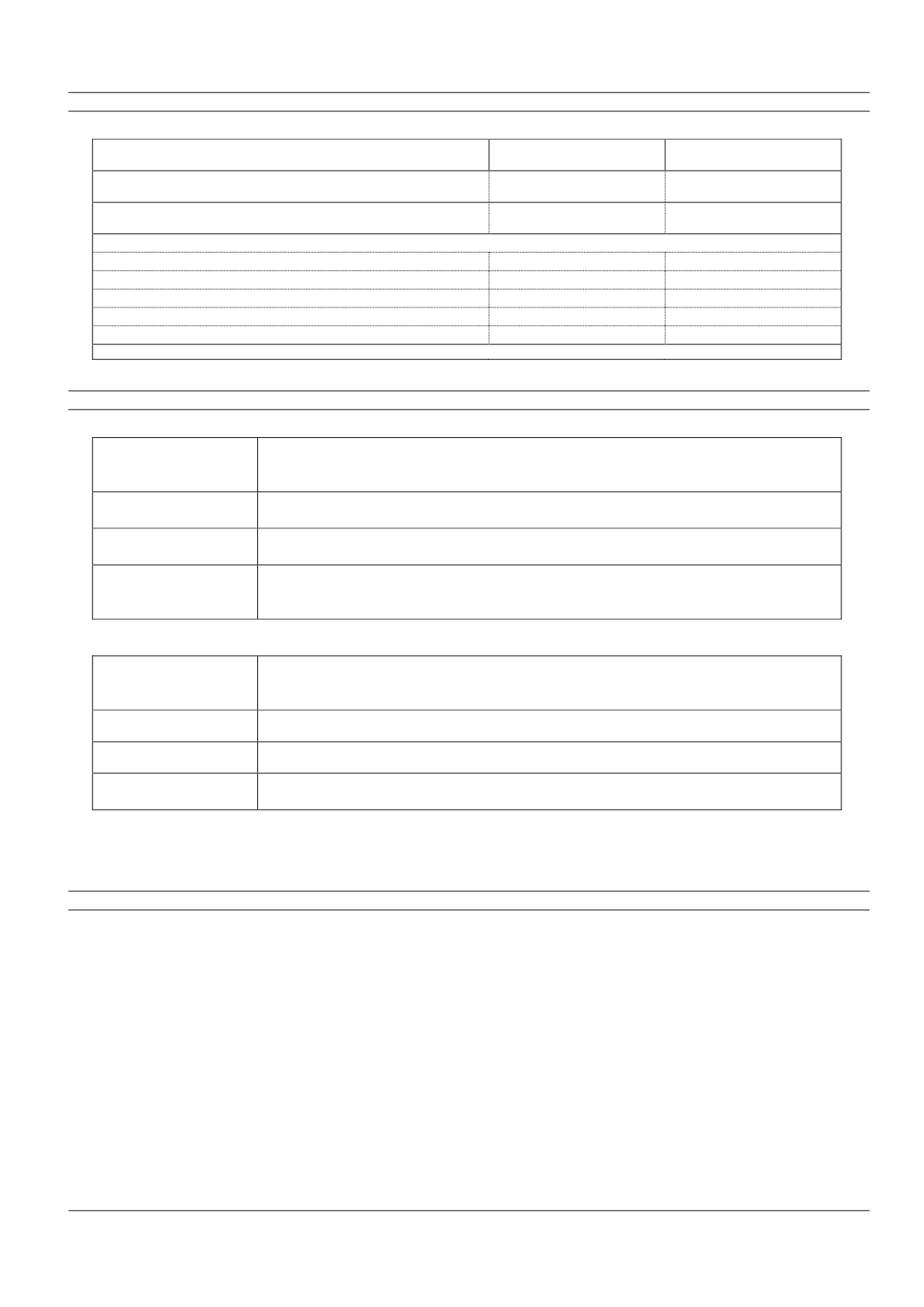
Ingredients Names and Proportions
Chemical Entity
CAS Number
Proportion (%)
Solvent naphtha (petroleum), light aliphatic
64742-89-8
40 - 60
Low Aromatic White Spirit
64742-82-1
40 - 60
With components:
n-Hexane
110-54-3
5 – 15
Ethylbenzene
100-41-4
< 5
1,2,4-Trimethylbenzene
95-63-6
< 5
1,3,5-Trimethylbenzene
108-67-8
< 5
Xylene, Mixed Isomers
1330-20-7
< 5
Note – product contains < 0.1% benzene
SECTION 4
FIRST AID MEASURES
Description of necessary first aid measures
Inhalation:
Remove victim from exposure if safe to do so. If rapid recovery does not
occur, transport to nearest medical facility for additional treatment. Remove
contaminated clothing.
Skin Contact:
If skin contact occurs, remove contaminated clothing and wash skin
thoroughly with water and follow by washing with soap if available.
Eye Contact:
If in eyes, hold eyes open, flood with water for at least 15 minutes. If
symptoms persist transport to nearest medical facility for additional treatment.
Ingestion:
If swallowed, do NOT induce vomiting. Transport to nearest medical facility
for additional treatment. If vomiting occurs spontaneously, keep head below
hips to prevent aspiration.
Symptoms caused by exposure
Inhalation:
Breathing of high vapour concentrations may cause central nervous system
depression resulting in headaches, dizziness and nausea; continued
inhalation may result in unconsciousness and/or death.
Skin:
May include burning sensation and/or a dried/cracked appearance.
Eye:
May include burning sensation, redness, swelling and/or blurred vision.
Ingestion:
May include coughing, choking, wheezing, difficulty in breathing, chest
congestion, shortness of breath and/or fever.
Medical attention and special treatment
Treat symptomatically.
SECTION 5
FIRE FIGHTING MEASURES
Suitable extinguishing equipment
Foam, water spray or fog, dry chemical powder or carbon dioxide. Do not use water in a jet.
Specific hazards arising from the chemical
Carbon monoxide may be evolved if incomplete combustion occurs. Will float and can be reignited on
surface water. Vapour is heavier than air, can spread along ground and distant ignition is possible.
Special protective equipment and precautions for fire fighters
Wear full protective clothing and self-contained breathing apparatus. Hazchem code 3YE.